
The only data catalog built for AI agents, by AI agents.
AI is now the primary consumer of your data. Atlan rebuilds the catalog around that: enriched entirely by AI agents, and served to yours through MCP, SQL, and open APIs.
Five tables whose names contain the word billing. One is certified and expands into its metadata: owner, quality score, freshness, primary key, join path, required filters, and usage history.
One question.
Three kinds of context.
Knowledge is which table holds the answer. Expertise is how to query it correctly. Norms are who is allowed to see the result. A catalog carries all three.
Why is drive-through time up this week?
Which table holds this?
Fourteen match on the name.
store_ops.drive_thru_daily. Certified, fresh 2 hours ago, owned by Store Ops.
How do I query it?
Which join, which filter?
Join store_id to store_dim. Apply NOT is_test_store, as 9 in 10 production queries do.
Can this person see it?
Every row, or some of them?
Row-level policy scopes a store manager to their own store. VP Ops sees every row.
No agent runs on
a catalog alone.
It says which data to trust. What the numbers mean, how the business is structured, and what to do with the answer are separate jobs.
What data can I trust and use?
What exists, what is certified, how fresh it is, who owns it, and the joins and filters mined from real queries. A perfect definition on the wrong table is still a wrong number.
Explore Data CatalogAutomatically enriched with everything
your agents need to reason with data.
Every system that holds meaning, connected in minutes rather than quarters.
Context is scattered across systems of record, systems of data, systems of knowledge, and systems of work, plus the runtime trail of how people use them. The first job is reaching all of it without a migration project.
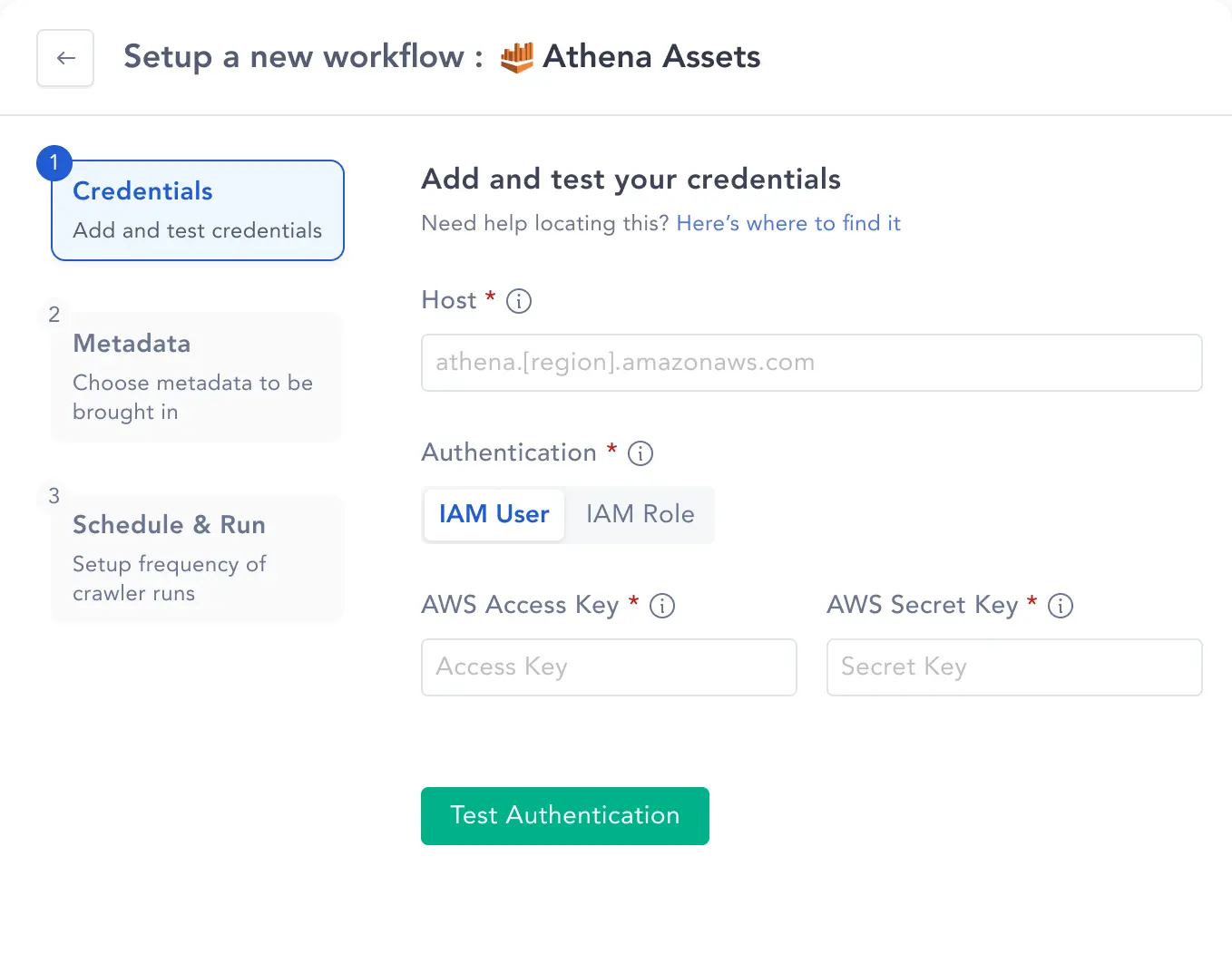
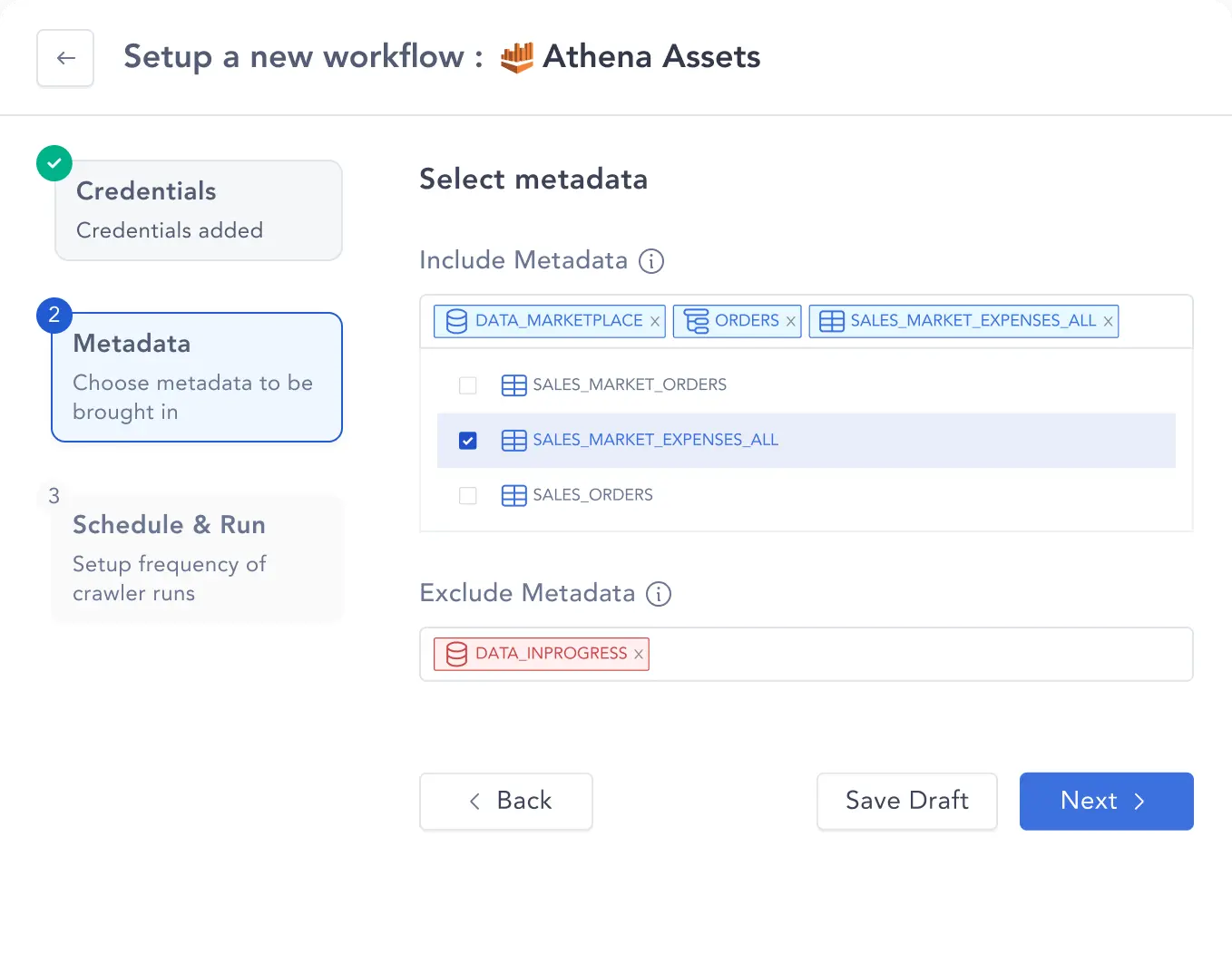
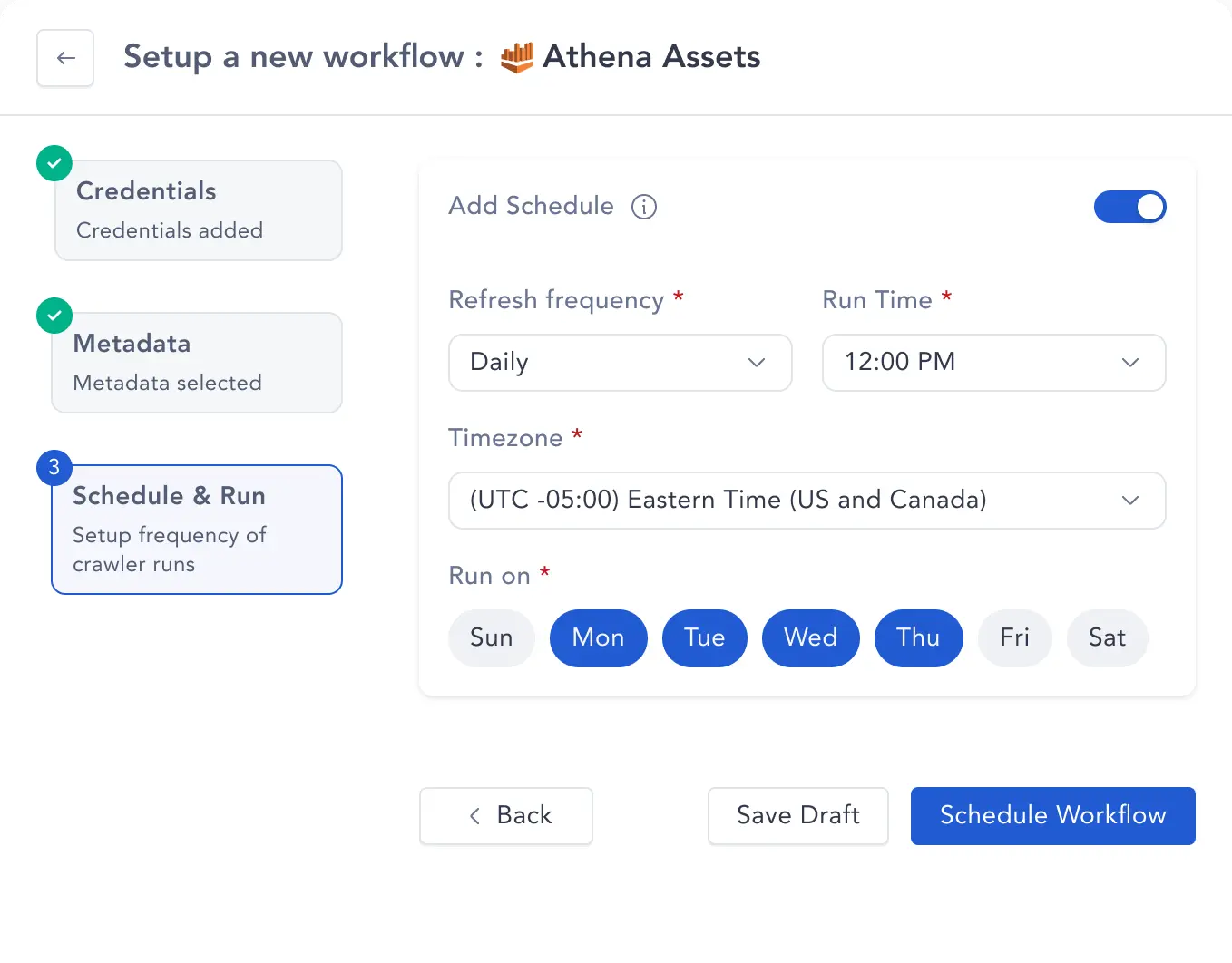
The signals were always there. Agents read all of them at once.
Nine Context Agents read the signals that already exist, column-level lineage, SQL, human annotations, usage patterns, and BI semantic logic, and write the documentation the estate never got.

One click, not 847 manual reviews.
AI generates at a volume no team can match. People certify what becomes canonical, and stewards move from writing documentation to sampling, validating, and resolving the cases that need judgment.
 Cortex Analyst
Trusted by AI-forward enterprises
"We were stunned and perplexed by the quality of the content. How could the agents create such high-quality context from lineage, SQL, and dbt logic? It shows how much business information is hidden in metadata that we can't see with human eyes. But agents consume it all and organize it."
Kenneth Jebjerg
Head of Data Engineering, Baader
"Without this context we would have spent months/years manually updating the metadata required for these efforts and would not let us move at the speed we can now."
Bernie Daley
Director of Data Management, Nelnet Servicing, LLC

"The output shifted from solid generic descriptions to something that felt like it had been written by someone who understands our business. That's the moment I stopped thinking about this as a time-saving tool and started seeing it as a strategic capability."
Izabela Wilczyńska
Data Governance Officer, PayU
"With Atlan we cataloged over 18 million assets and 1,300+ glossary terms in our first year, so teams can trust and reuse context across the exchange."
Kiran Panja
Managing Director, Cloud & Data Engineering, CME Group

The only modern leader across
all four analyst evaluations
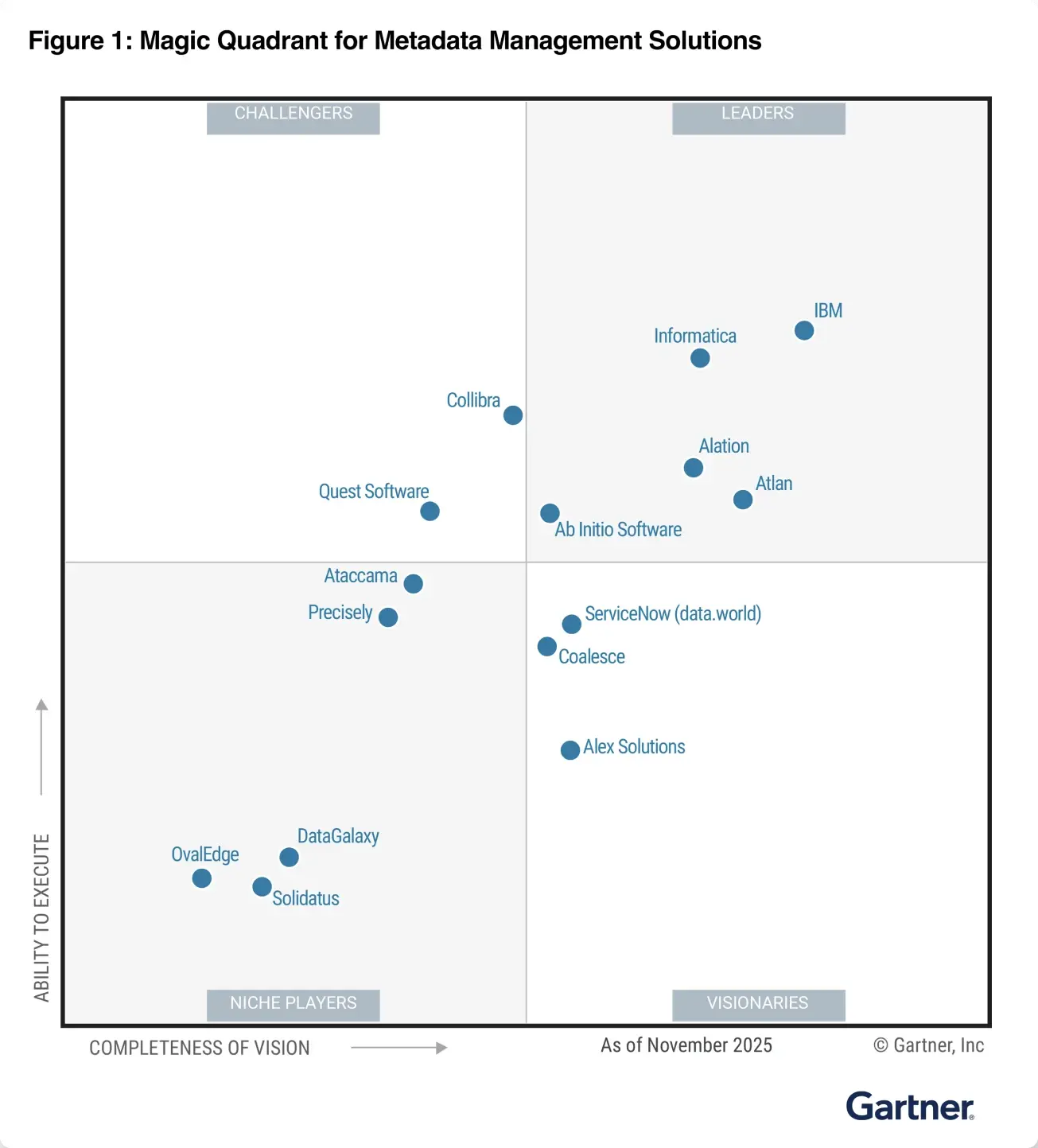
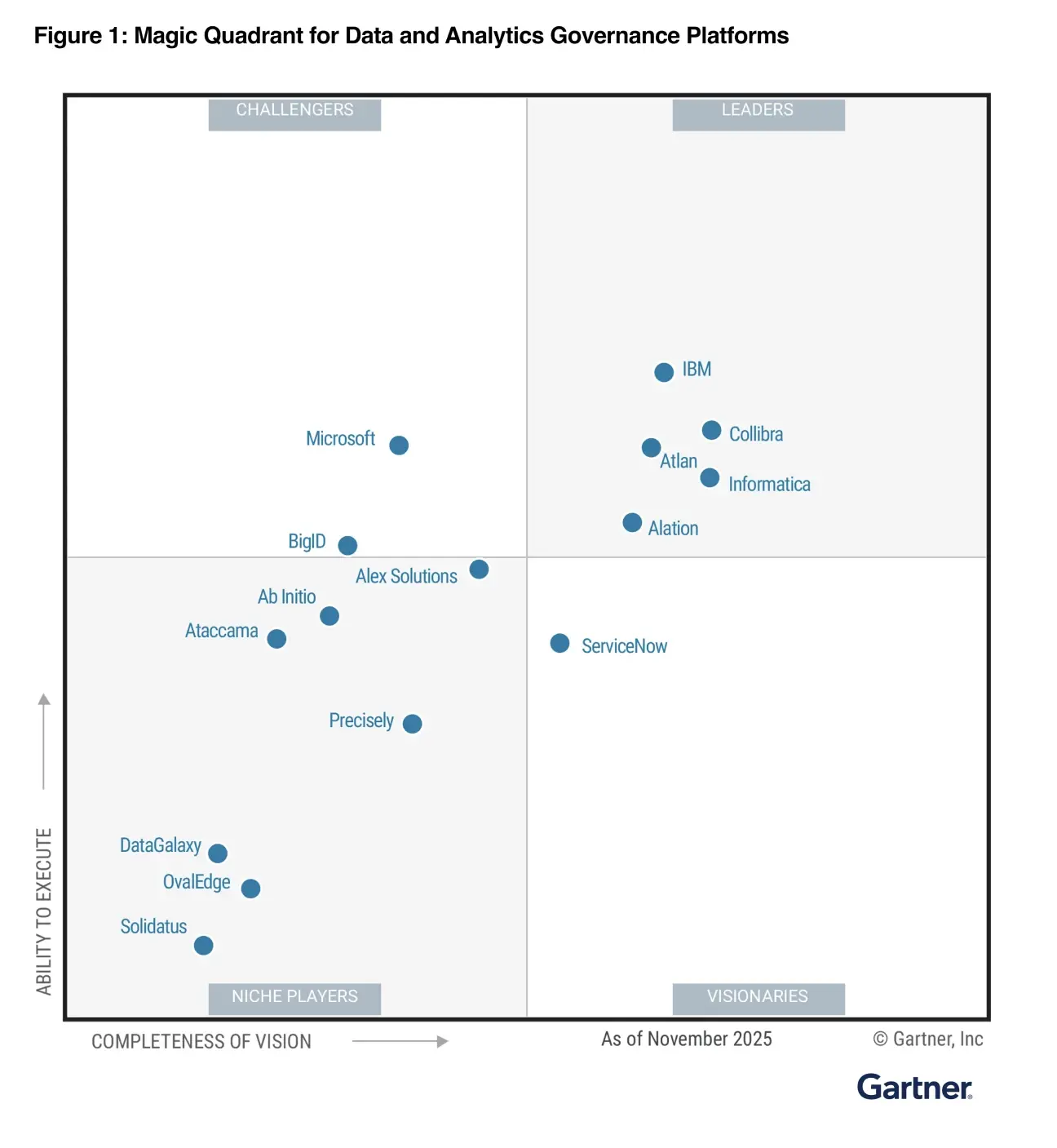
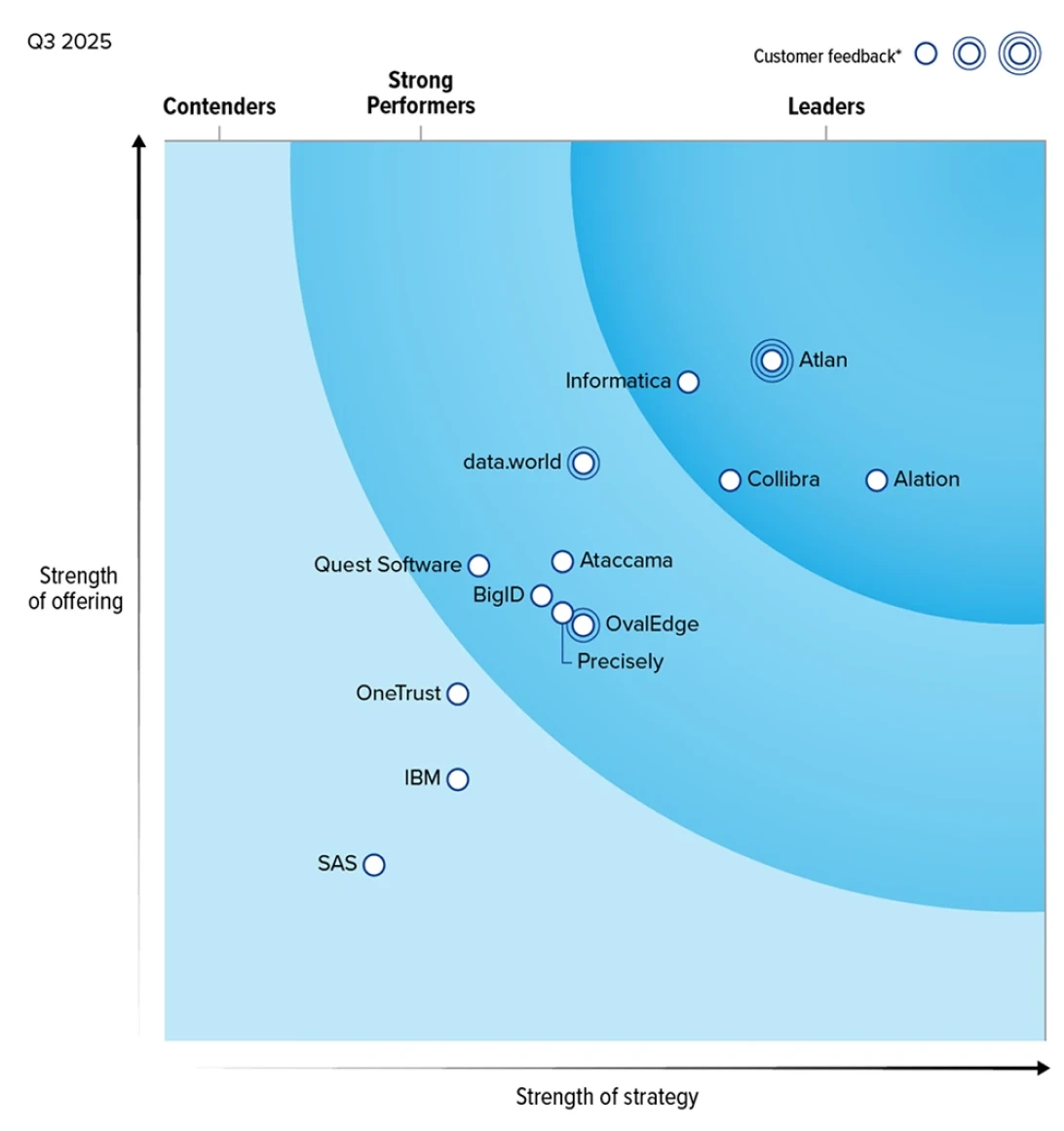
Where the catalog sits in the wider context layer.
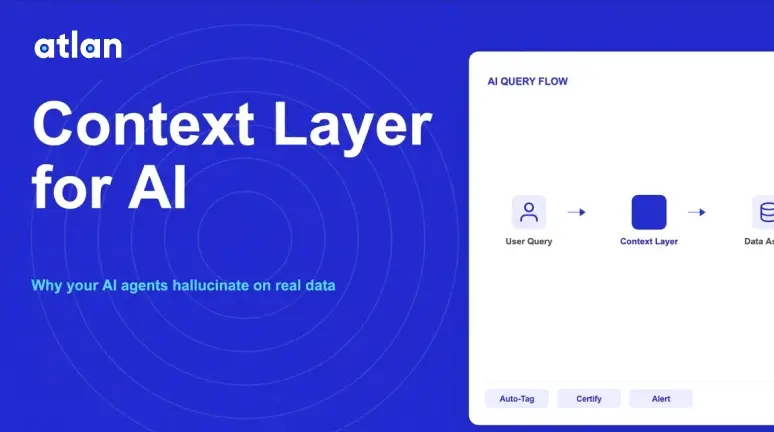
Context Agents: the team that writes your context
Nine specialists that read lineage, SQL, and usage, then turn them into descriptions, metrics, and ontology.
The enterprise context layer, 53+ resources
The full resource hub: what a context layer is, why agents need one, and how teams put one into production.
Context Lakehouse
Iceberg-native storage with a knowledge graph, vector search, and time travel, so context stays open and portable.
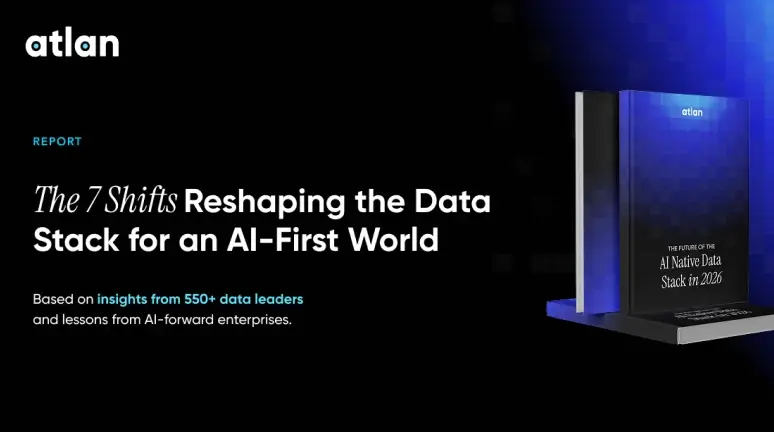
84% invest in AI. 17% reach production. Here is the gap.
550+ data leaders on what separates the teams that scale from the ones that stall.
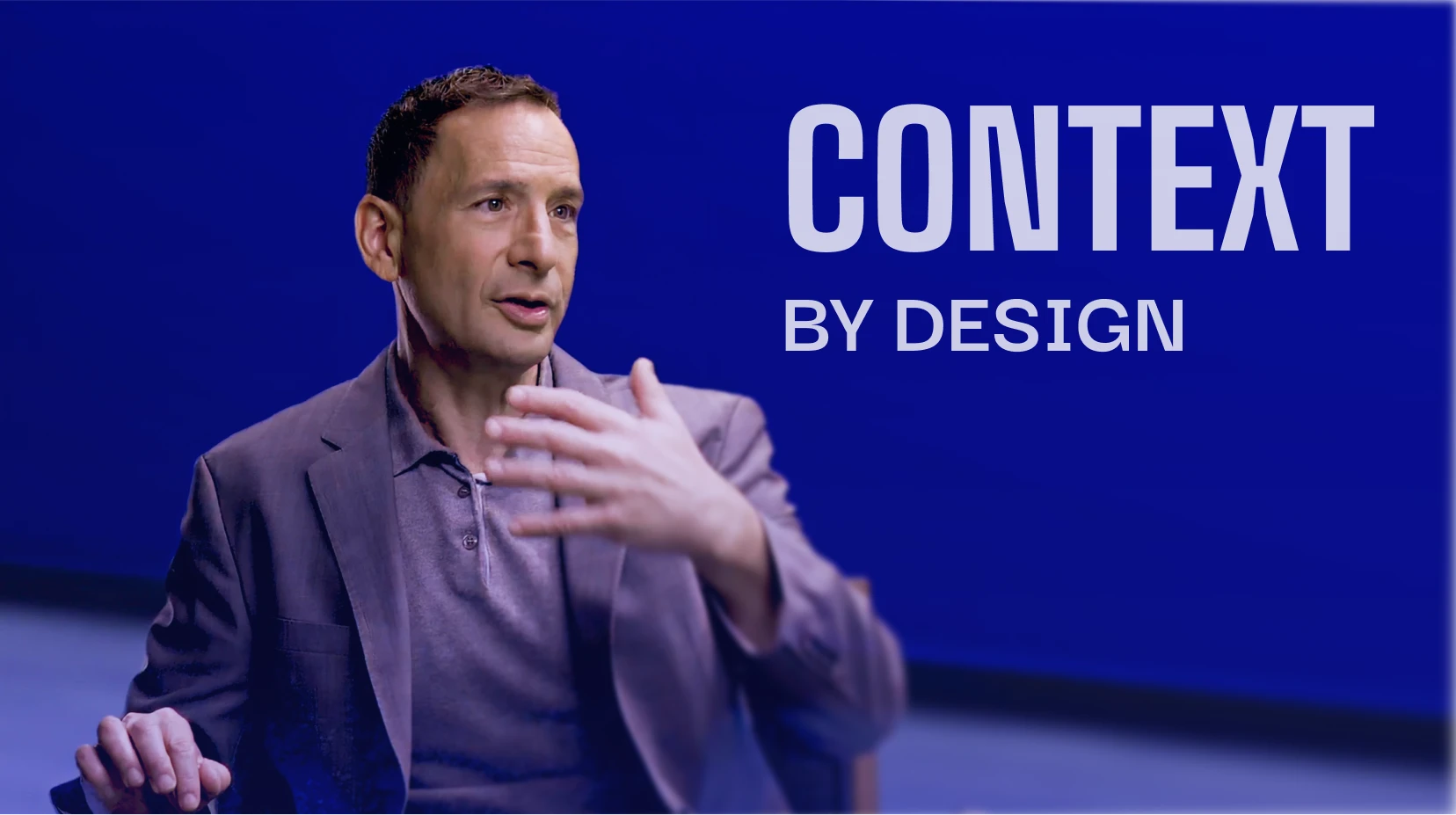
Mastercard CDO on context by design
Andrew Reiskind on why AI initiatives require more context than ever, and scaling to hundreds of millions of assets.
Context Agents: the team that writes your context
Nine specialists that read lineage, SQL, and usage, then turn them into descriptions, metrics, and ontology.
The enterprise context layer, 53+ resources
The full resource hub: what a context layer is, why agents need one, and how teams put one into production.
Context Lakehouse
Iceberg-native storage with a knowledge graph, vector search, and time travel, so context stays open and portable.
84% invest in AI. 17% reach production. Here is the gap.
550+ data leaders on what separates the teams that scale from the ones that stall.
Mastercard CDO on context by design
Andrew Reiskind on why AI initiatives require more context than ever, and scaling to hundreds of millions of assets.
Everything you need to know about
the agentic data catalog
An agentic data catalog is the inventory of a data estate with meaning and trust attached, structured so an AI agent can decide which data to use and how to use it correctly. Gartner, which named the data catalog category around 2017, describes a catalog as maintaining an inventory of data assets through the discovery, description, and organization of datasets, providing the context to find and understand a relevant dataset. The agentic version keeps all of that and adds what an autonomous consumer needs: machine-readable certification and freshness signals, column-level lineage back to source, ownership, and the query patterns mined from how the data is actually used.
The consumer changed, so the requirements changed. A traditional catalog is a browsing surface: a person searches, reads a description, forms a judgment, and fills the gaps with experience the catalog never recorded. An agent has no experience to fall back on. It needs trust expressed as a machine-readable signal rather than a paragraph, it needs the standard filters and join paths that seasoned analysts apply automatically, and it needs to retrieve all of that in a single call at query time rather than by browsing. It also writes back, posting quality signals and usage observations so the next retrieval is better than the last.
SQL Intelligence is query know-how mined from real usage, and the underlying technique is query-log analysis. It surfaces the popular joins, meaning the way most analysts actually connect two tables; the common filters, such as excluding test accounts or reversed transactions, which are applied in the large majority of production queries and appear in no schema; and the query patterns the team already trusts. This is the difference between SQL that is syntactically perfect and SQL that is semantically correct. An agent that writes valid SQL against raw tables while missing a standard filter returns a confidently wrong number, and nothing in the output signals the error.
Yes, because they answer different questions. A semantic model tells an agent what a refund rate is: the entities, the join paths, the dimensions to slice by, and the formula on top. It does not tell the agent which physical table to compute it on, whether that table is certified, whether it has been stale since March, or who to ask when something looks wrong. A perfect definition computed on the wrong table is still a wrong number, which is why discovery, trust signals, and lineage sit underneath the semantic model rather than beside it.
Not necessarily. Many enterprises run Atlan alongside an existing catalog and pull its metadata into the context layer rather than rebuilding from scratch. Atlan connects natively across warehouses, databases, BI tools, transformation and orchestration tools, and quality tools, and most connectors are live within minutes. Atlan reads context only: schema structures, column definitions, lineage relationships, ownership, and timestamps. Your actual data never leaves your systems and Atlan never queries the rows in your tables.
Lineage answers where a number came from and what depends on it. Atlan reverse-engineers column-level lineage from actual SQL, pipeline code, and BI models rather than relying on hand-declared relationships, so it reflects how data genuinely flows rather than how someone documented it once. For an agent, that means three things: a result can be traced back through every transformation to source, an upstream quality failure can be caught before the answer is trusted, and the blast radius of a proposed change can be assessed before anyone makes it.
Automation on the input side and ownership on the output side. Connectors run on a schedule with incremental updates, so structural changes are picked up without manual effort. Context Agents regenerate descriptions and quality signals as the estate changes. Drift detection flags when the world has changed underneath a piece of context. And every certified definition has an owner and a change history, so a trust signal that stops being true becomes visible rather than quietly misleading every agent that reads it.
Stop your agents guessing
which table to trust.
